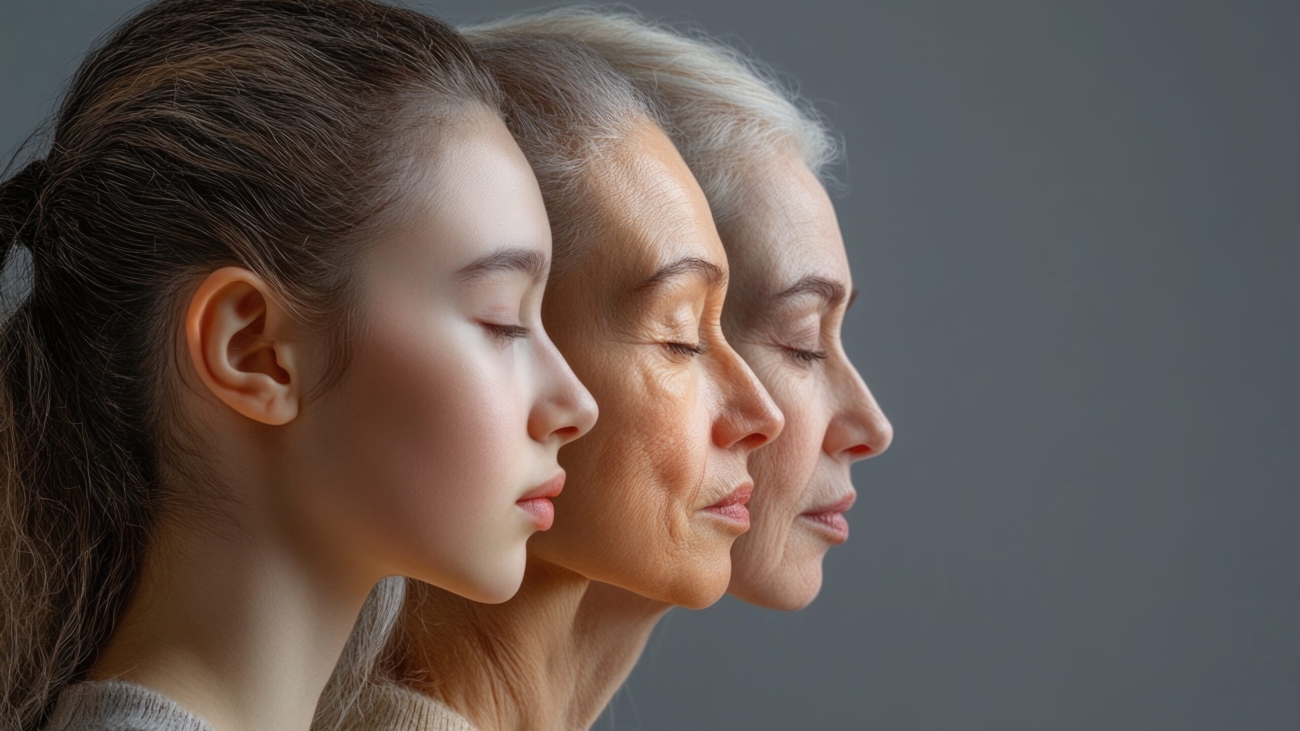
In 2026, anti-aging is no longer about “fixing” wrinkles — it’s about strategic prevention. Dermatology has shifted toward proactive skin longevity, where treatments are timed to support collagen, elasticity, and cellular renewal before visible aging accelerates. The right moment isn’t defined by birthdays, but by biology, lifestyle, and skin behavior.
Early 20s — Building the Foundation for Skin Longevity
Your early 20s are the era of skin preservation. While dramatic treatments aren’t needed, this is when collagen production begins its slow decline. In 2026, skin experts emphasize:
Medical-grade skincare
Broad-spectrum SPF as a daily essential
Antioxidant and barrier-repair routines
Think of this stage as future-proofing your skin.
Late 20s to Early 30s — The Preventive Power Phase
This is often considered the ideal entry point for anti-aging treatments. Fine lines may appear with expression, and skin recovery slows slightly. Trending 2026 solutions include:
Light neuromodulators for expression control
Skin boosters and hydration injectables
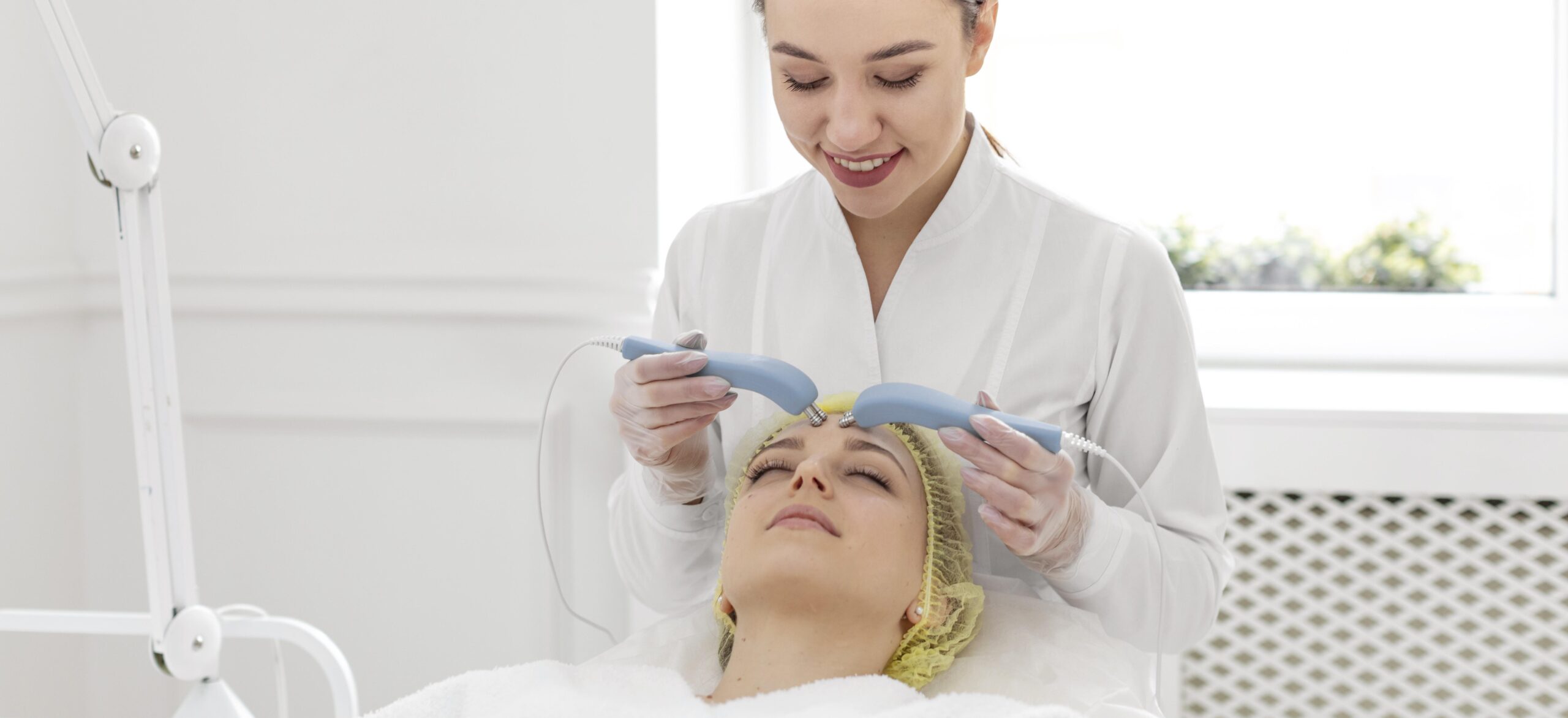
Preventive laser and collagen-stimulating facials
Starting here helps delay deeper aging changes rather than chasing them later.
Mid-30s to 40s — Correct, Restore, Strengthen
By this stage, collagen loss becomes more noticeable. Skin laxity, pigmentation, and texture changes may emerge. In 2026, doctors focus on multi-layer rejuvenation, combining:
Energy-based skin tightening
Biostimulators for volume support
Advanced resurfacing technologies
Consistency, not intensity, defines success in this decade.
50s and Beyond — Regenerative Anti-Aging Strategies
Modern anti-aging in 2026 is redefining mature skin care. Instead of aggressive correction, the focus is on regeneration and harmony, using:
Regenerative injectables
Fractional lasers with minimal downtime
Personalized treatment mapping
The goal is refreshed, healthy skin — not altered features.
Signs Your Skin Is Ready for Anti-Aging Treatments
Age aside, these indicators suggest it may be time to start:
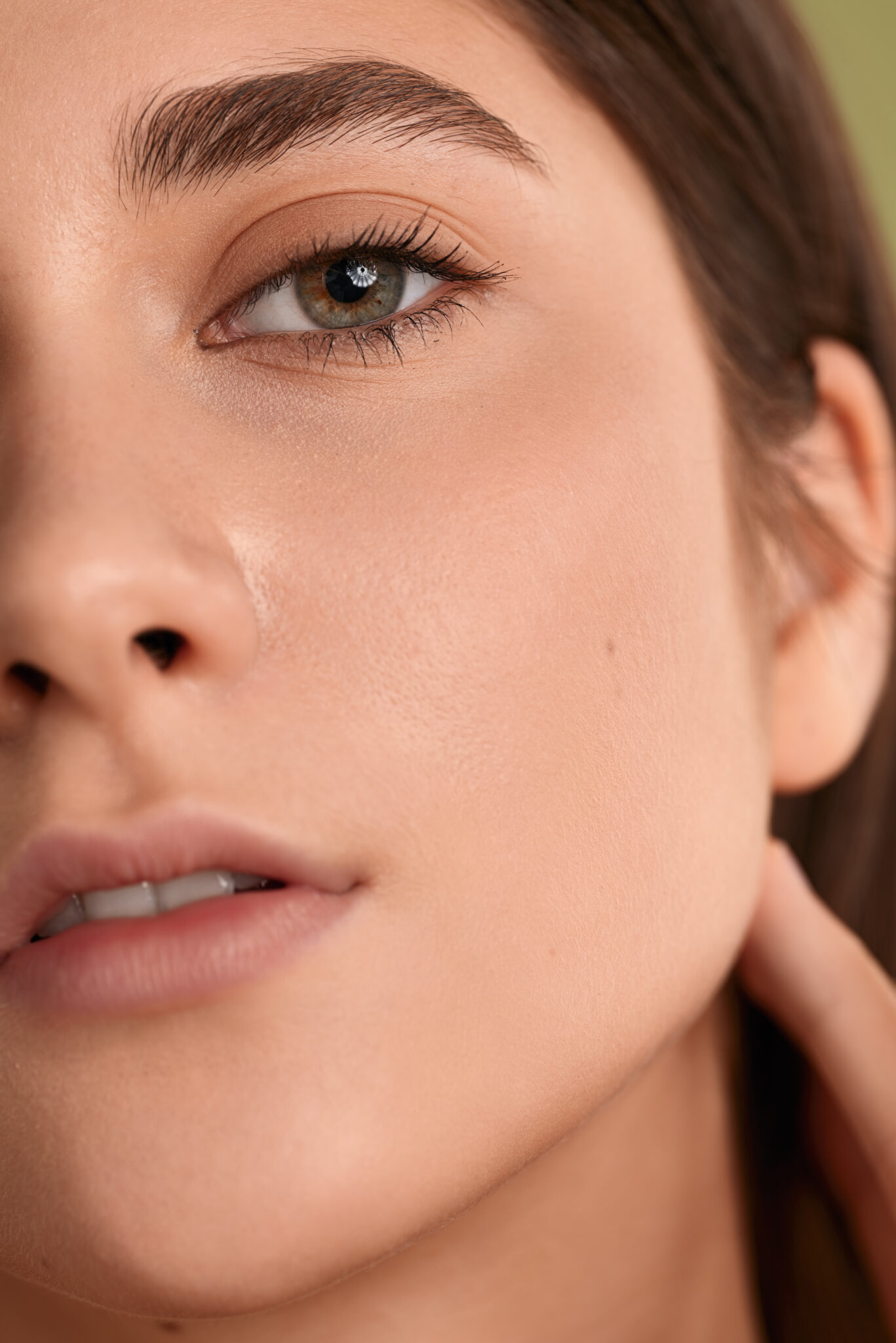
Fine lines that linger at rest
Uneven skin tone or texture
Loss of firmness or glow
Slower healing and dullness
Listening to your skin is more accurate than watching the calendar.
Final Thoughts — The Right Time Is Personal, Not Universal
The right time to start anti-aging treatments in 2026 isn’t a number — it’s a personalized intersection of science, lifestyle, and skin health. With today’s advanced, non-invasive options, starting earlier and smarter leads to more natural, long-term results. A professional skin assessment remains the gold standard for choosing the perfect moment.