



Introduction
Dermal fillers have become a cornerstone of modern aesthetic dermatology—but not all fillers are created equal. In 2026, patients are more informed than ever and often ask an important question: How do hyaluronic acid fillers compare to other types of fillers?
Understanding the differences can help you make confident, informed decisions about facial rejuvenation, volume restoration, and long-term skin health.

What Are Hyaluronic Acid Fillers?
Hyaluronic acid (HA) fillers are injectable gels made from a substance that naturally occurs in the skin. Hyaluronic acid attracts and retains moisture, making it essential for hydration, elasticity, and volume.
Because HA is biocompatible, hyaluronic acid fillers integrate seamlessly into the skin and deliver soft, natural-looking results—a major reason they remain the gold standard in 2026 aesthetics.
Key Benefits of Hyaluronic Acid Fillers
- Naturally occurring and biodegradable
- Reversible for added safety
- Immediate, customizable results
- Soft, flexible texture for natural movement
- Supports skin hydration and glow
What Are “Other” Types of Dermal Fillers?
In addition to hyaluronic acid fillers, several other injectable fillers are used in aesthetic dermatology. Each has a different composition, purpose, and longevity.
- Calcium-Based Fillers
These fillers are thicker and are often used for deeper structural support and contouring. They stimulate collagen production over time but are not reversible.
- Poly-L-Lactic Acid Fillers
Often categorized as collagen stimulators, these fillers work gradually by encouraging the body to produce its own collagen. Results develop slowly over months rather than instantly.
- Permanent or Semi-Permanent Fillers
These fillers last longer but carry higher risks due to their permanence. They are less commonly used in modern, skin-first aesthetic practices.
Hyaluronic Acid Fillers vs Other Fillers: Key Differences
Safety & Reversibility
• Hyaluronic acid fillers stand out because they can be dissolved if needed, offering an added layer of safety. Most other fillers cannot be reversed once placed.
Texture & Natural Movement
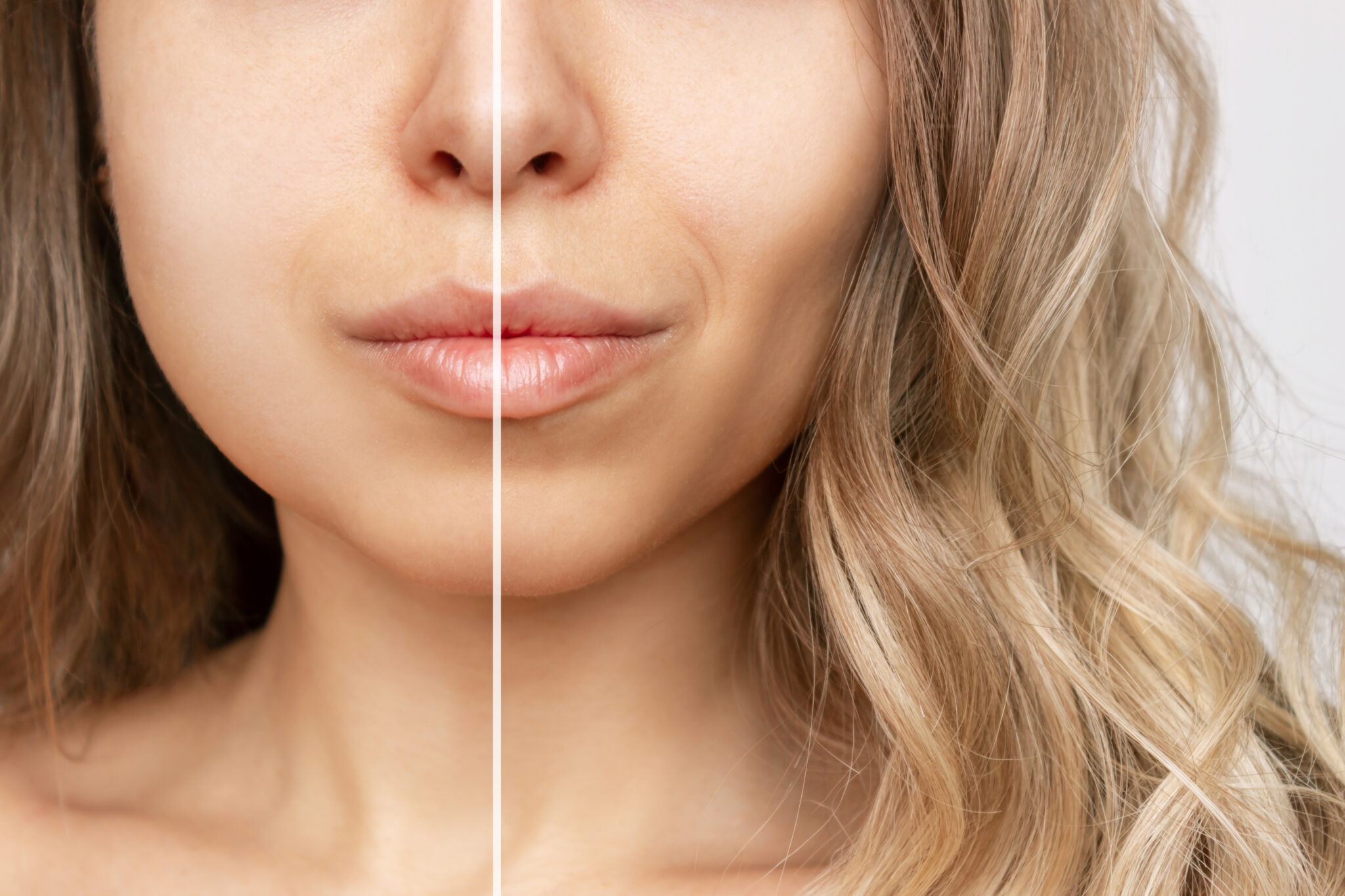
• HA fillers are designed to move with facial expressions, making them ideal for areas like lips, under-eyes, and smile lines. Other fillers tend to be firmer and are better suited for deeper structural support.
Results Timeline
• Hyaluronic Acid Fillers: Immediate results with minimal downtime
• Collagen-Stimulating Fillers: Gradual improvement over weeks to months
Longevity
• HA fillers typically last 6–18 months depending on placement and metabolism. Other fillers may last longer, but longevity must be balanced with flexibility and safety.
Why Hyaluronic Acid Fillers Dominate 2026 Aesthetic Trends
In 2026, aesthetic dermatology emphasizes:
- Natural-looking enhancement
- Customization and precision
- Reversibility and safety
- Skin health over overcorrection
Hyaluronic acid fillers align perfectly with these priorities. Their adaptability allows dermatologists to fine-tune results, layer treatments conservatively, and maintain facial harmony.
Which Filler Is Right for You?
The best filler depends on:
- Your facial anatomy
- Treatment goals
- Desired timeline and longevity
- Comfort with reversibility
- Provider recommendation
For many patients, hyaluronic acid fillers are the first choice due to their versatility and safety profile. In some cases, other fillers may be used strategically for structural support or collagen stimulation.
The Importance of Expert Injection
Regardless of filler type, provider expertise matters most. A board-certified dermatologist understands facial anatomy, aging patterns, and how to select the right filler for the right area—ensuring balanced, natural outcomes.
The Bottom Line
Hyaluronic acid fillers offer unmatched flexibility, safety, and natural-looking results, which is why they continue to lead the aesthetic industry in 2026. While other fillers have specific uses, HA fillers remain the most versatile option for facial rejuvenation and volume restoration.
A personalized consultation with a qualified dermatology provider is the best way to determine the ideal treatment plan for your goals.
Hyaluronic Acid Fillers vs Other Fillers: Safe, Natural Results Tailored to You — Book Your Consultation Today